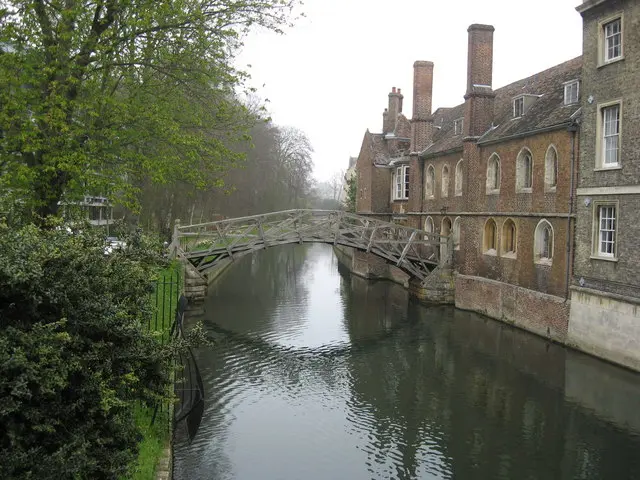
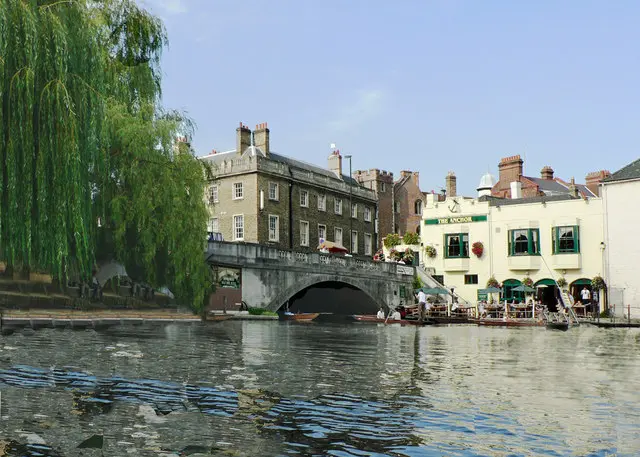
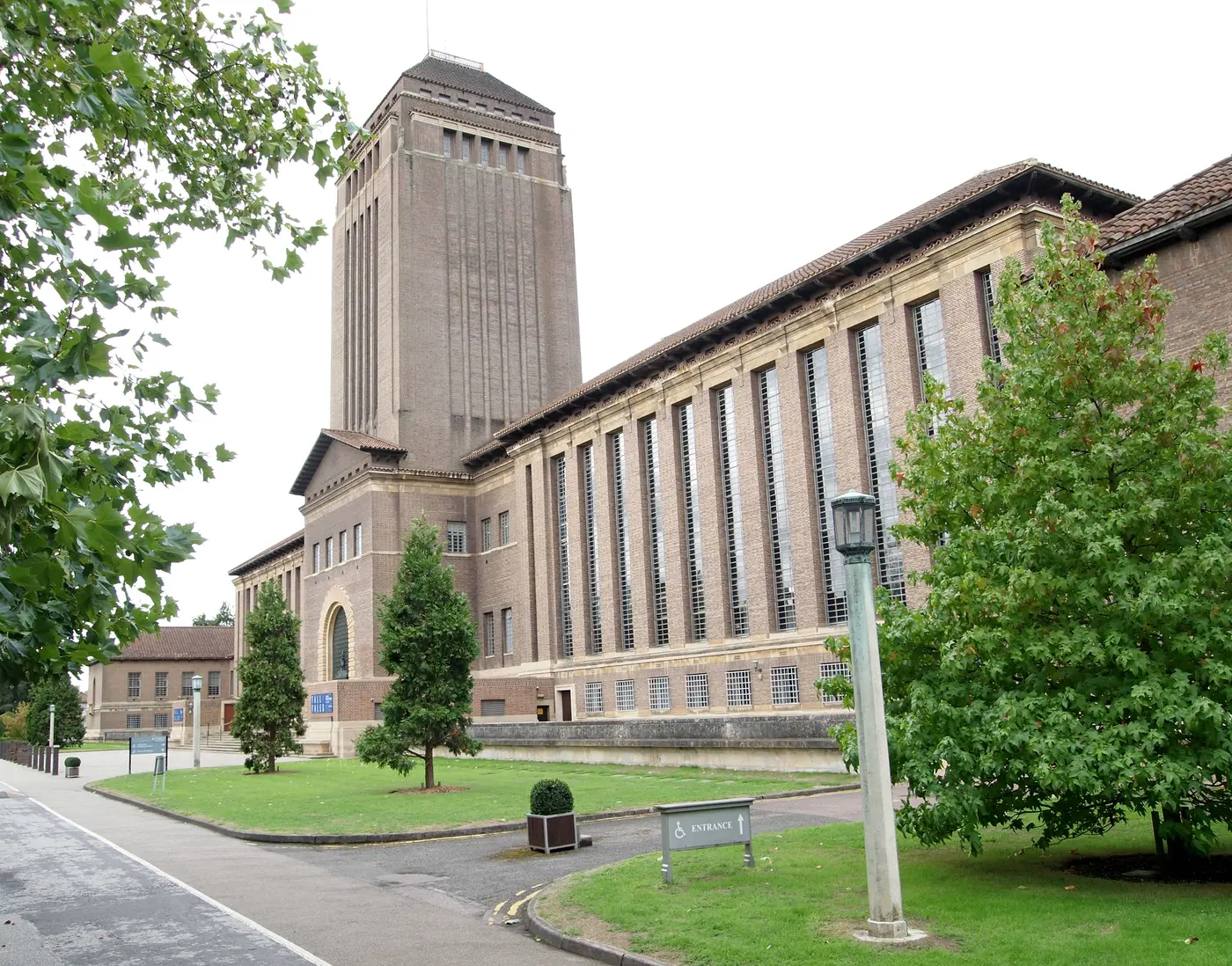
Cambridge tour guide Megan is found dead inside a church at the last stop on her walking route. She has spent the day leading a small group through central streets, college views and historic corners, so every tourist has shared the same public itinerary. John joins Carter's inquiry and confronts an awkward premise: if the strangers met only when the walk began, why would any of them arrive intending to kill the guide? The church appears to provide a narrow final opportunity, but the motive lies before the tour.
The police examine the visitors, their photographs and their movements between stops. John pays particular attention to what the group could see, when the guide controlled their attention and which parts of the route fell outside a witness's view. One participant, Adrian Tate, has a connection that the holiday atmosphere initially hides. Earlier, at a development site with security coverage, Tate killed Jordan Halshaw and took money. Megan accidentally photographed evidence that could identify him.
Tate books onto Megan's tour not because of Cambridge history but because he needs her phone. Following her gives him repeated chances to recover or destroy the incriminating picture without openly approaching her. When the route reaches the church, he tries to seize the device and kills Megan. John reverses the team's starting assumption: the tour did not generate the conflict, and the culprit was not a stranger who suddenly found a motive. A murderer entered the group because the victim already possessed evidence of a previous crime.
The route and photographs make Tate's plan legible. Images record more than picturesque façades; their backgrounds reveal people, timings and security blind spots. John uses the moments when the party's sightlines separate to reconstruct the attack, then connects Megan's phone to Jordan's killing. Tate's presence on the walk is therefore not coincidence. The same object explains his decision to shadow Megan, the struggle in the church and his attempt to pass as an ordinary tourist.
Lucy conducts the parallel inquiry into James. She visits the mother of Rhys Bowen, the burglar accused of killing Roger Sinclair, and hears reasons to doubt the official version. Bowen later dies in his cell, supposedly by suicide, removing a person who might have challenged that account. Someone photographs John, showing that the family is being watched. Russell also discloses that his late fiancée Mandy was Chief Constable Ziegler's daughter, adding a personal connection to the names emerging from James's trail. By the end, Megan's killer is identified, but Lucy and Henry have learned that James was investigating a chain in which suspects and witnesses can disappear.
Megan's work as a guide is central rather than decorative. She carries a phone full of images, repeats a planned route and regularly directs the group's eyes towards a building or story. Those habits let Tate stay close without immediately appearing threatening, but they also preserve the visual record that defeats him. The church is the place where his pursuit turns fatal, not the source of his grievance. Carter's team can therefore compare the tourists' accounts with a sequence that existed before any suspect was interviewed. John's conclusion joins two crimes that at first seem unrelated: Jordan's death supplies the motive, and Megan's photograph explains Tate's otherwise improbable presence among Cambridge visitors.