Superfan Desk

Notice more. Check everything.

A working desk for viewers who want to follow every case mechanism, James clue, musical idea, location and production detail—without confusing fan theory with programme fact.

Canon labelledSources datedTheories separated
Reviewed guide · Sources & corrections
Your active file

Build a rewatch note

Choose an episode, work through six observation fields and keep a private note in this browser. Nothing is uploaded.

0 / 6fields checked
Open its full guide →
Motif index

Six things worth noticing twice

A visual rewatch key for patterns that gain meaning through recurrence.

Confidence key

How to read every claim

Confirmed
Visible or stated in a broadcast episode, or published by an official production source.
Supported
A strong inference tied to identified evidence, but not directly confirmed.
Theory
A fan interpretation kept separate so it cannot quietly turn into “fact”.
Preview, casting or location information still not yet recorded broadcast verification.
Recurring index

Motifs worth tracking

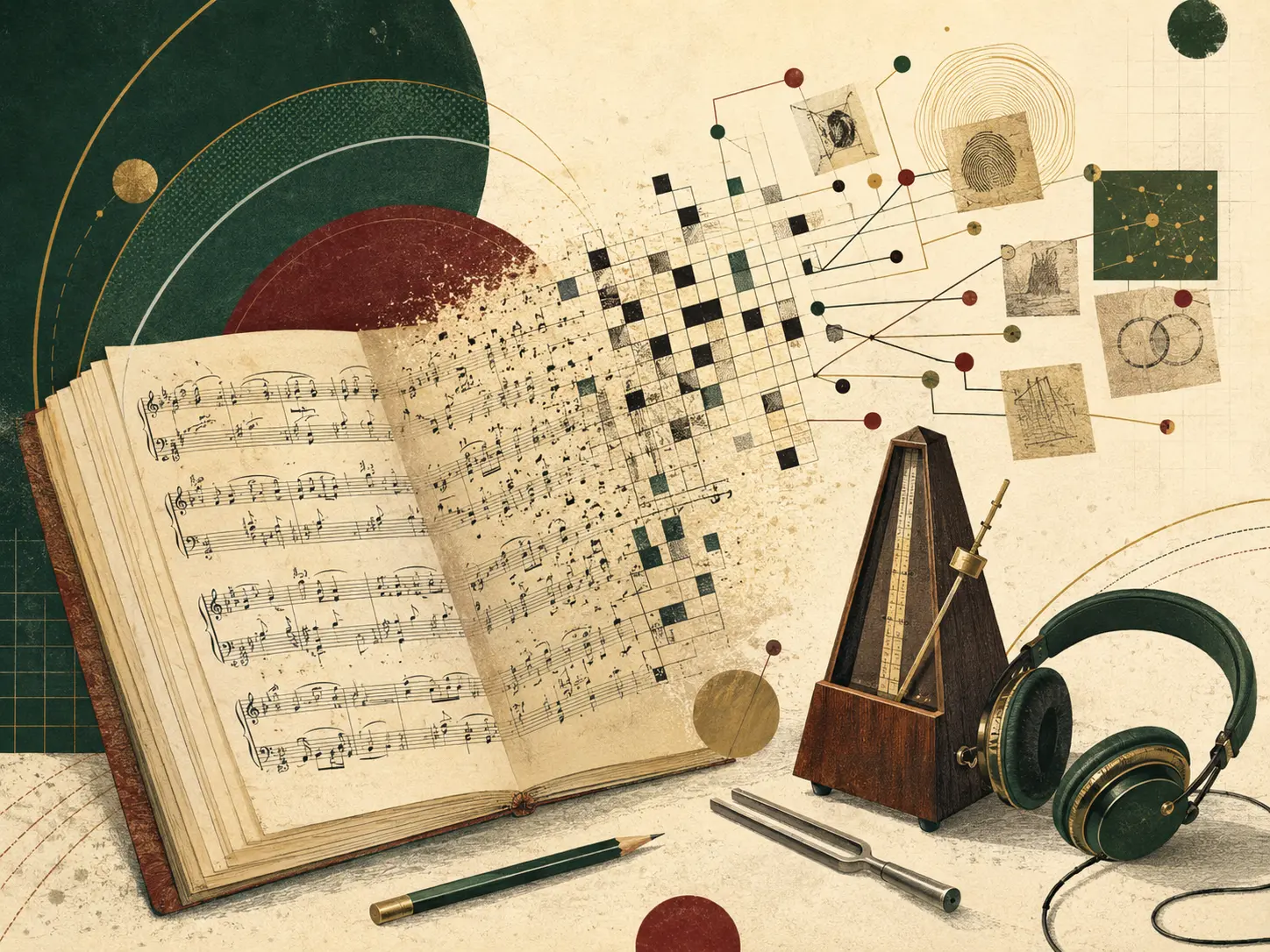
  • Identity and doubles: who notices difference, absence or substitution?
  • Puzzles as thought: how does John turn a human mess into a solvable model?
  • Beethoven fragments: when does the score echo John’s inner process?
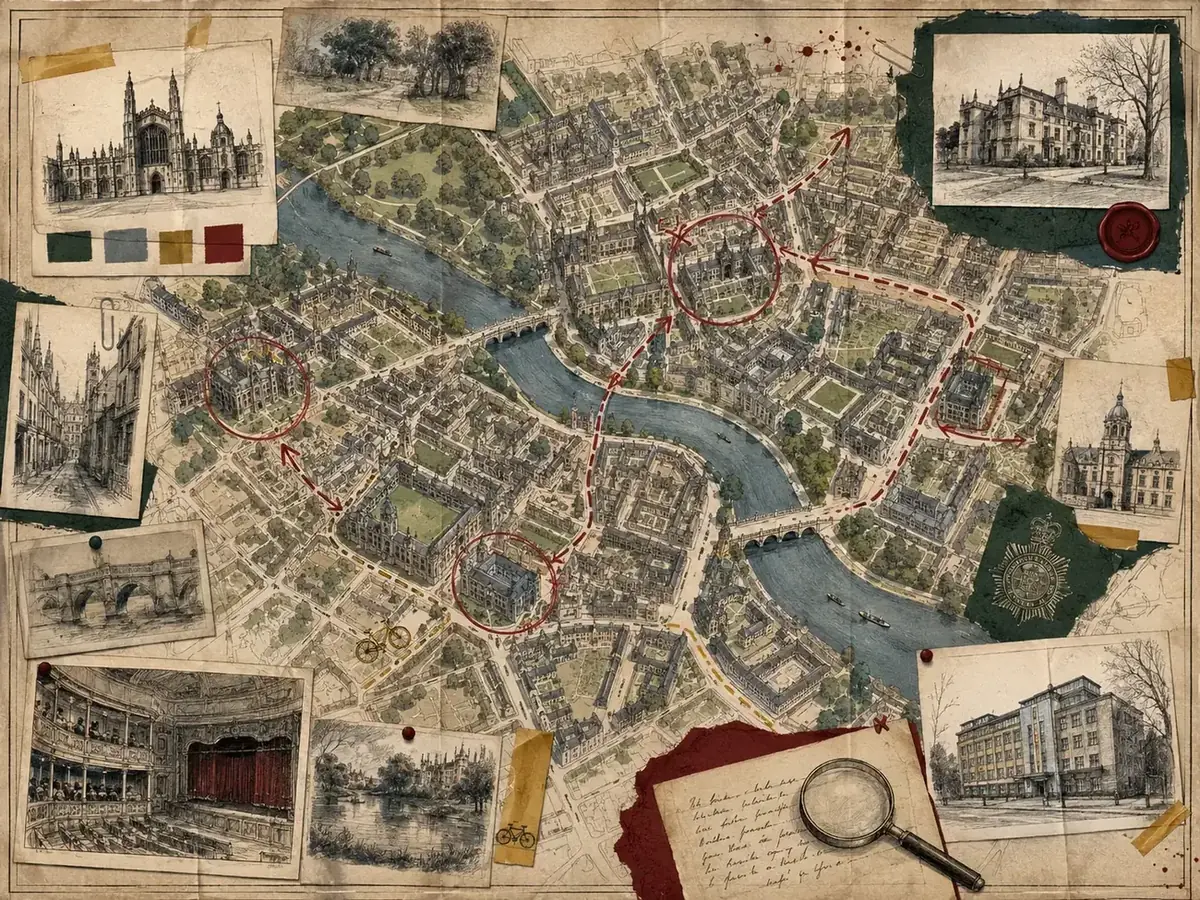
  • Cambridge movement: routes, blind spots, entrances and sightlines.
  • Knowledge: what each person believes about John, James and Lucy.
  • Objects returning: props or visual ideas that change meaning later.
Rewatch standard

The six fields every episode guide should contain

1 · Case mechanism

The physical and logical sequence that makes the crime possible.

2 · Clue provenance

First appearance, later interpretation and whether the clue was fairly shown.

3 · Suspect movement

Where each relevant person could be, with uncertainty preserved.

4 · James continuity

New fact, contradiction, implication or deliberate lack of progress.

5 · Production detail

Writer, director, guest cast, filming location and verified source.

6 · Music cue

Original-score title, scene use and Beethoven influence where documented.

Cross-episode comparison

Seven ways the cases ask you to think

This is the useful nerd view: group episodes by reasoning pressure, then compare how the programme changes the method.

IdentityS1 E1What changes when everyone reads John as somebody else?
TimelineS1 E2Which account depends on an impossible interval?
Route + movementS1 E3 · S2 E3What can geography, sequence and camera coverage actually prove?
Constraint + geometryS1 E4 · S2 E4Which physical rule makes the “impossible” mechanism possible?
HistoryS1 E5When does biography become case evidence?
KnowledgeS1 E6 · S2 E6Who knows which truth, and when do they act on it?
TestimonyS2 E1 · E2 · E5Separate confession, consensus and observation from physical fact.

Method labels describe the archive’s spoiler-light comparison lens; they are not official episode categories.

Nerd audit

What this archive can prove today

No puffery, no “ultimate guide” nonsense: these are the measurable working parts.

12 / 12episode dossiersEach has a puzzle lens, James boundary and rewatch prompts.
12 / 12private rewatch filesSix checks plus a browser-saved observation for every episode.
9sourced location recordsStory geography stays distinct from production stand-ins.
4confidence statesConfirmed, supported, theory and remain visibly separate.
ObserveRecord what is seen or stated.
LocateName the episode, scene or source.
InferExplain the link without upgrading it to fact.
ReviseCorrect the record when stronger evidence arrives.

Copyright-safe rule: summarise and cite interviews or episodes; do not reproduce scripts, footage, music files or long quotations.

New research desks

Four deeper ways to rewatch

Casebook index

Search the archive

224 results